The Ultimate Guide to Alarm Clocks: How to Find the Perfect Morning Wake-Up Call
Choosing the Right Alarm Clock for Better Sleep and Mornings
A dedicated alarm clock is regaining popularity because it protects sleep and supports a more consistent morning routine. Unlike a phone, a purpose-built clock delivers a clear time display without notifications or distractions that interfere with rest.
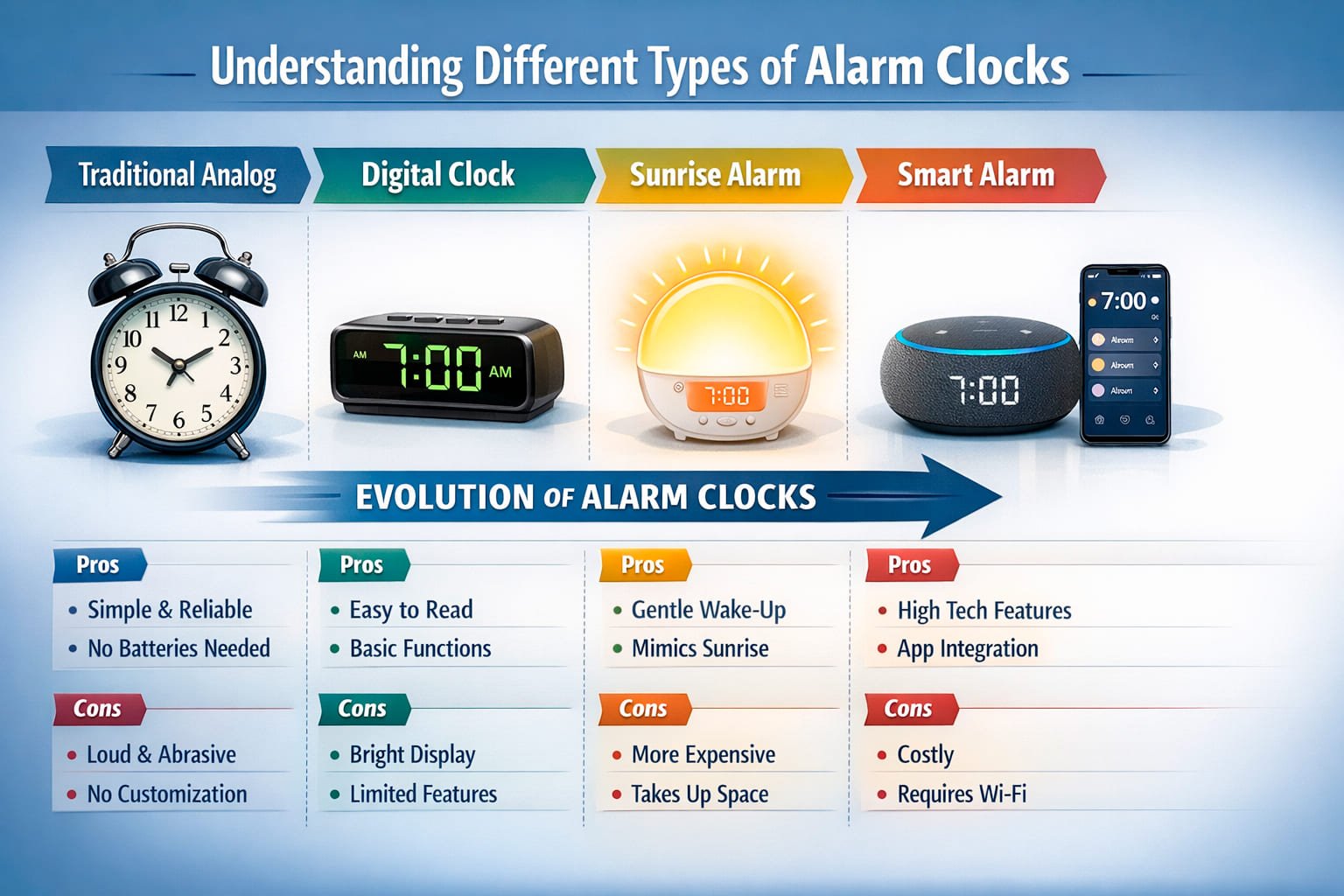
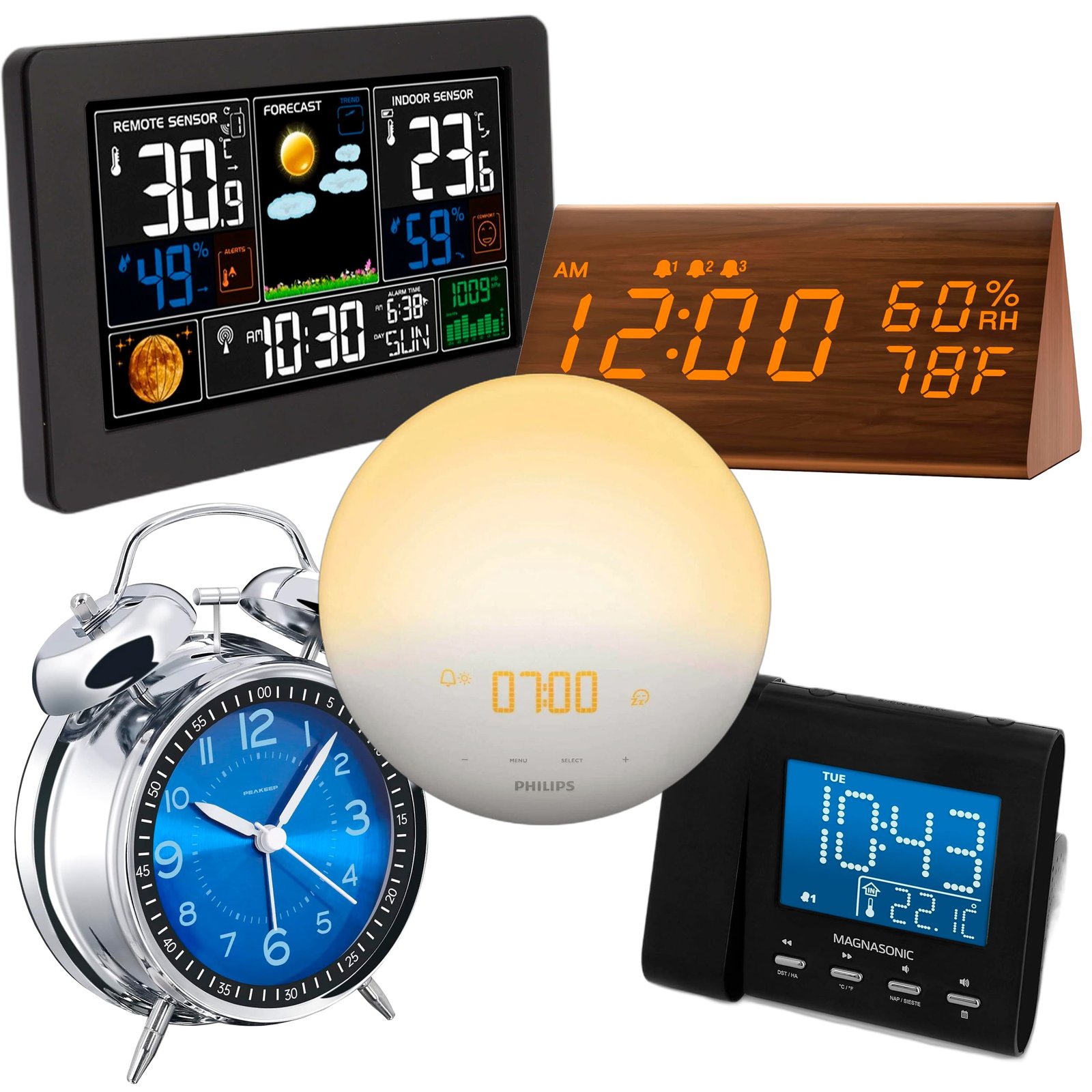
Modern alarm clocks are designed to work with how sleep functions. Accurate digital clocks offer visibility and precision, while radio clocks combine alarms with audio features for flexible wake-up options. Each type serves different sleep habits and lifestyle needs.
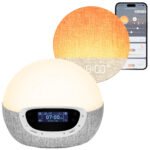
For natural sleep improvement, a sunrise alarm clock uses gradual light to align with the body’s circadian rhythm. This light-based approach helps the brain transition smoothly from sleep to wakefulness.
Understanding the alarm clock benefits and the main types of alarm clocks allows you to choose a solution that improves sleep quality, regulates daily rhythms, and makes mornings calmer, more reliable, and easier to maintain long term.
The right alarm clock can transform your sleep quality and morning routine,serving as more than just a timekeeper. Recent studies show dedicated alarm clocks are making a comeback as people recognize their benefits for better sleep hygiene compared to smartphones.
Traditional alarm clocks reduce exposure to sleep-disrupting blue light,with sunrise alarm clocks specifically designed to work with your body's natural circadian rhythm
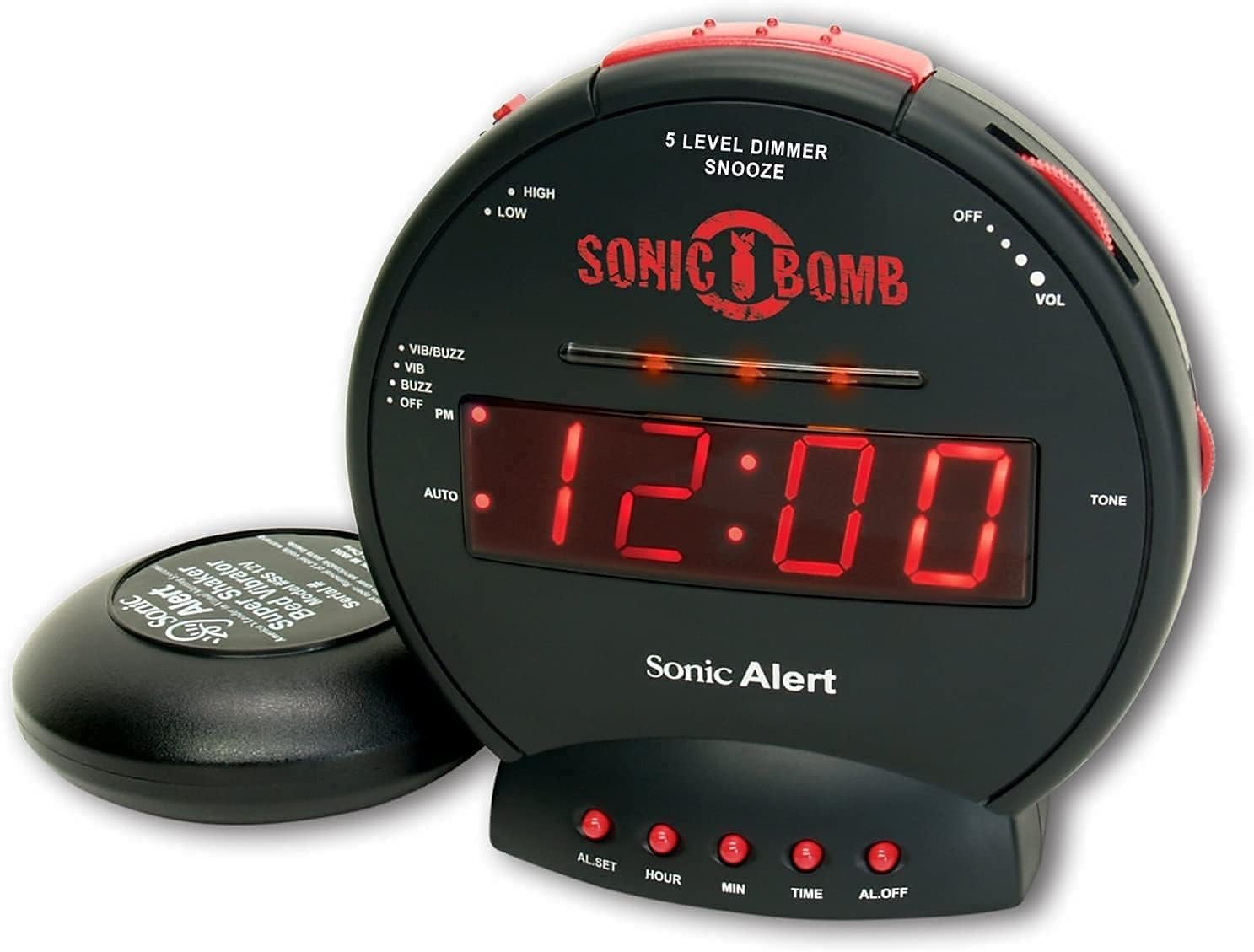
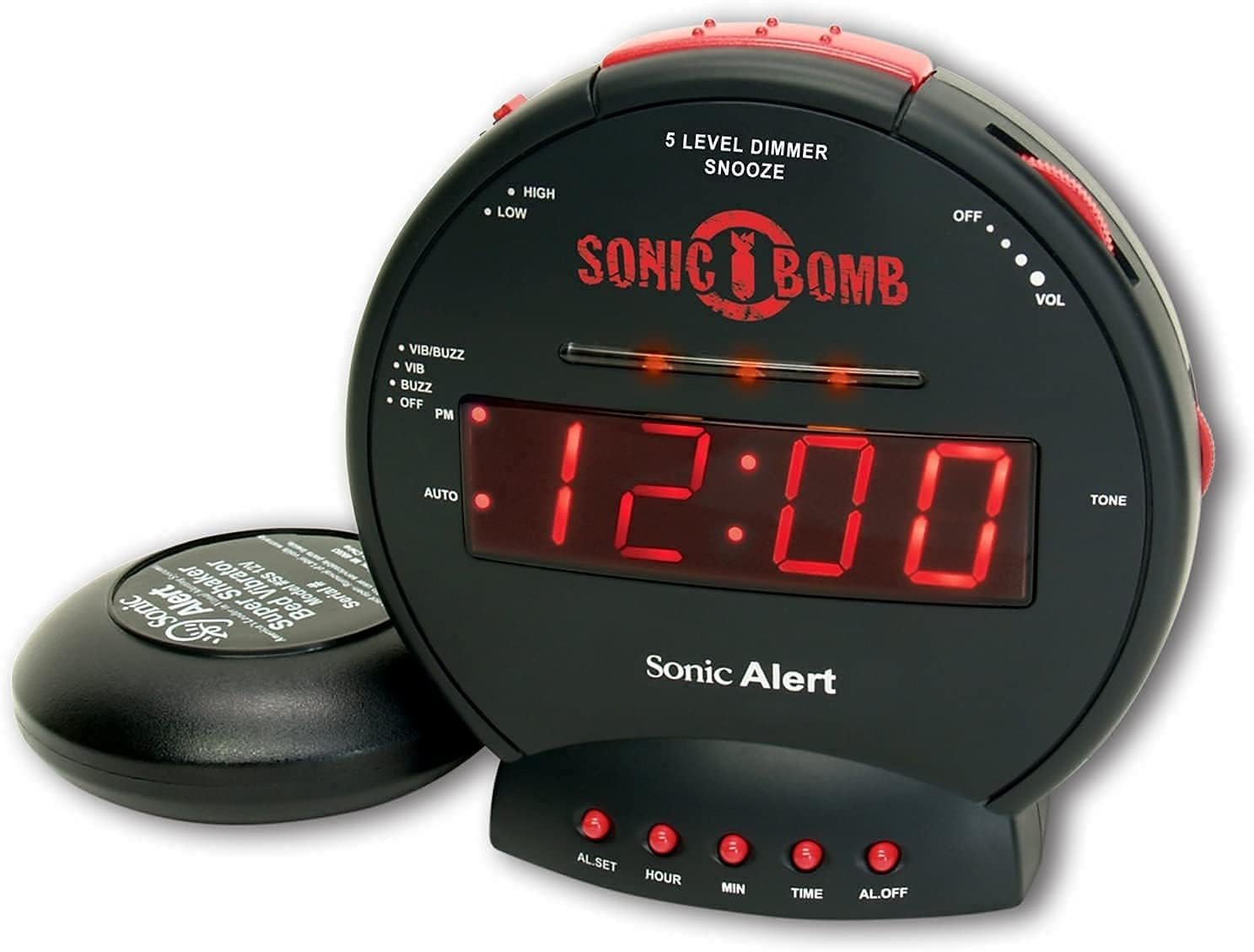
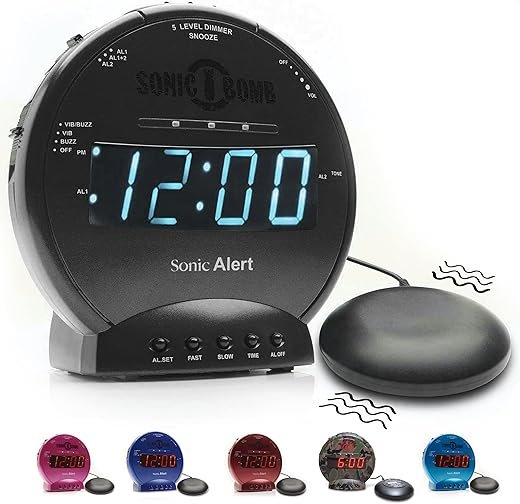
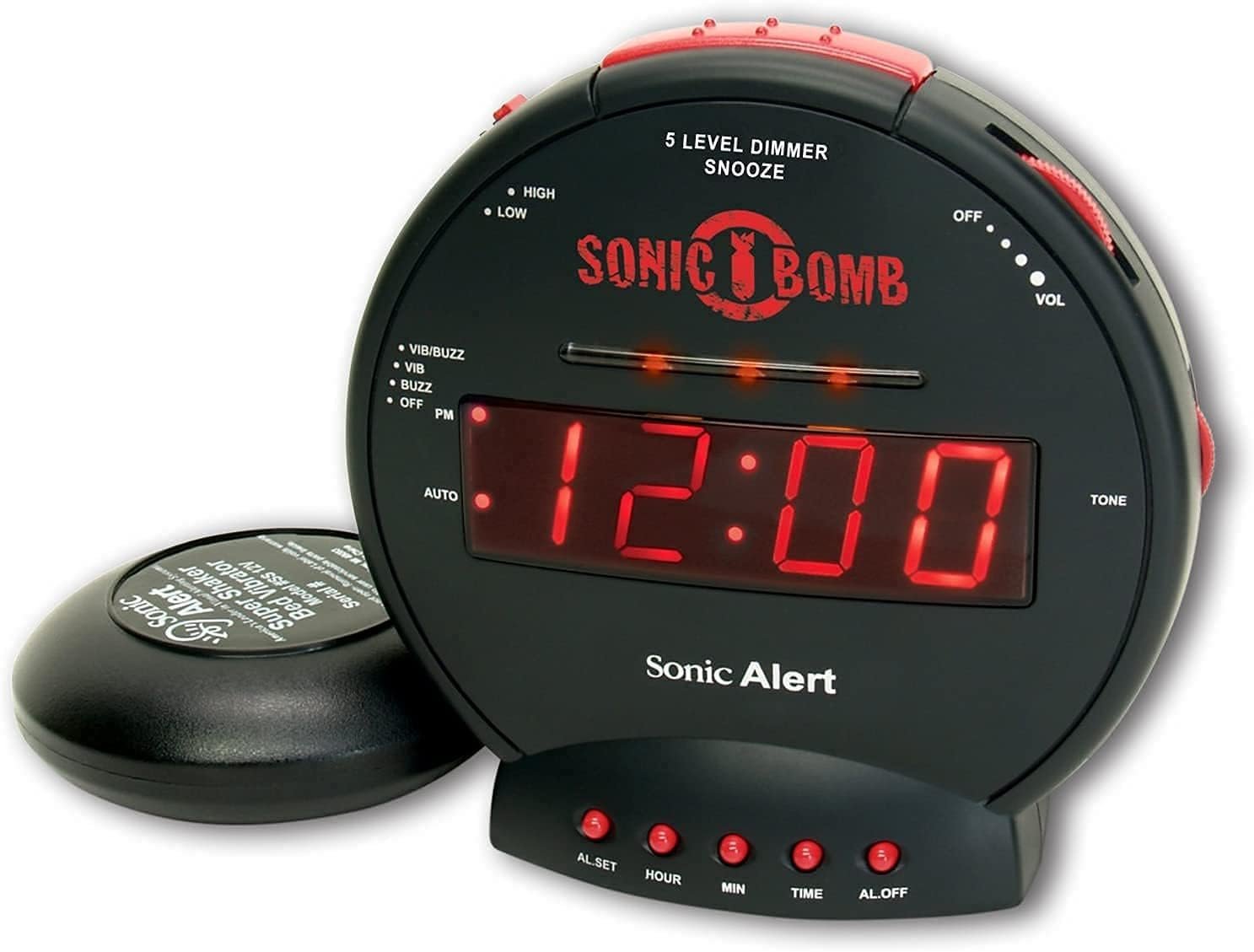
Different alarm clock types serve distinct needs – from gentle sunrise simulators that gradually wake light sleepers to vibrating models that effectively rouse heavy sleepers
The sound quality and frequency of your alarm significantly impacts morning stress levels and mood,with nature sounds and music providing gentler alternatives to jarring beeps
Most people experience improved sleep quality after removing smartphones from the bedroom and switching to dedicated alarm clocks
Smart features like sleep tracking can be beneficial,but simpler analog models offer reliability during power outages and fewer technical complications
Understanding Different Types of Alarm Clocks
The wide variety of alarm clocks available today exists because sleep needs and preferences vary dramatically from person to person. Finding the right match between your sleep habits and alarm clock features can mean the difference between starting your day refreshed or feeling groggy and irritable.
Through extensive testing of dozens of models across all major categories,we've found that using the wrong type of alarm clock can lead to poor quality sleep and unproductive mornings. Many people struggle for years with jarring wake-up experiences before discovering the alarm clock type that works with their natural rhythms.
Each alarm clock category offers distinct advantages in how they display time,produce alarm sounds,and integrate with your overall sleep environment. Understanding these differences is the first step to finding your ideal morning companion.
1
Traditional Digital Alarm Clocks
The Perfect Digital Clock with Alarm for Your Needs
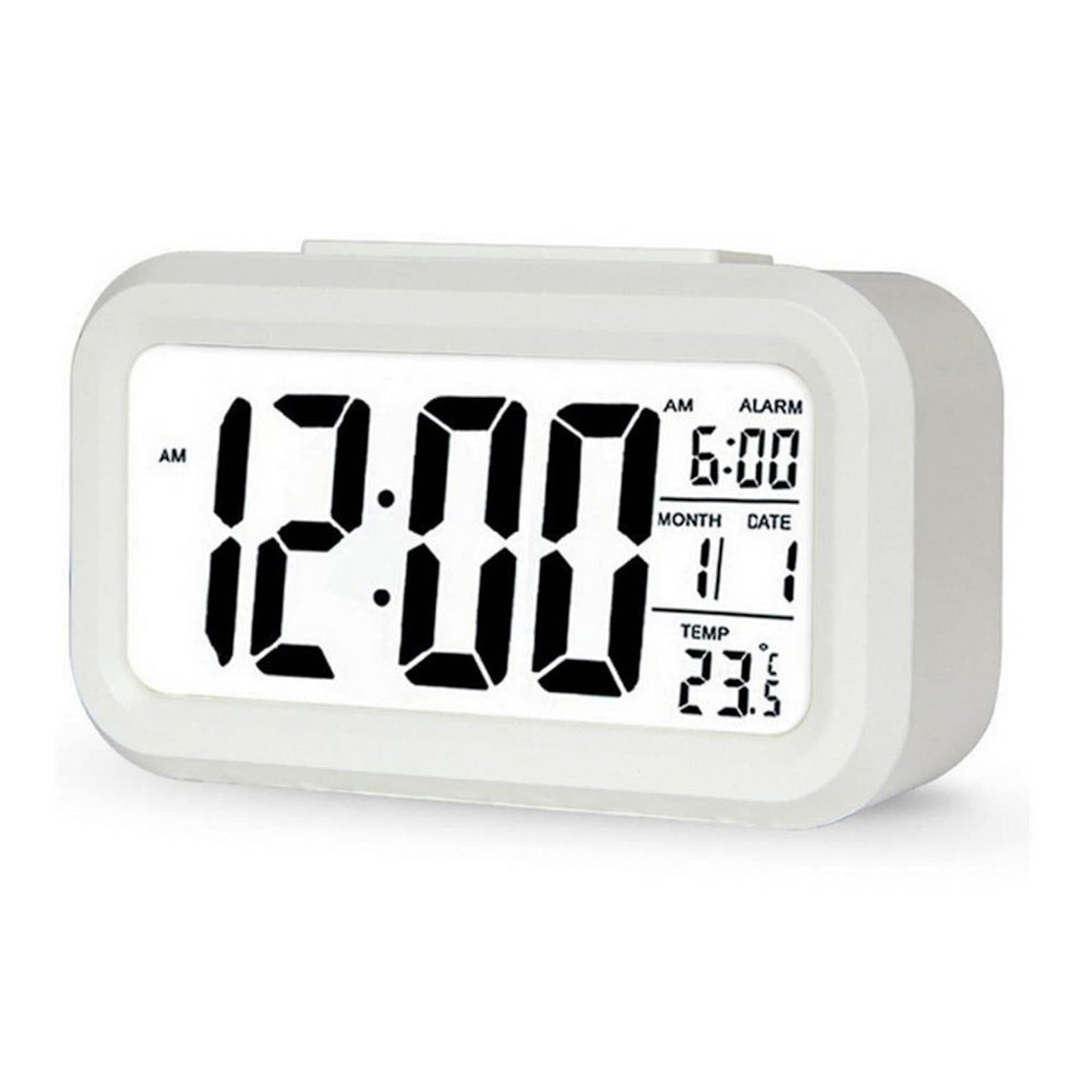
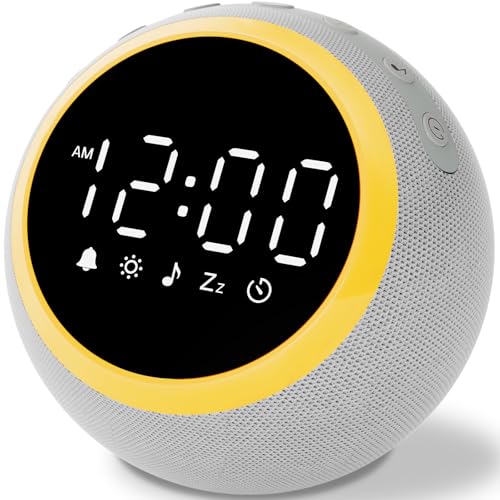
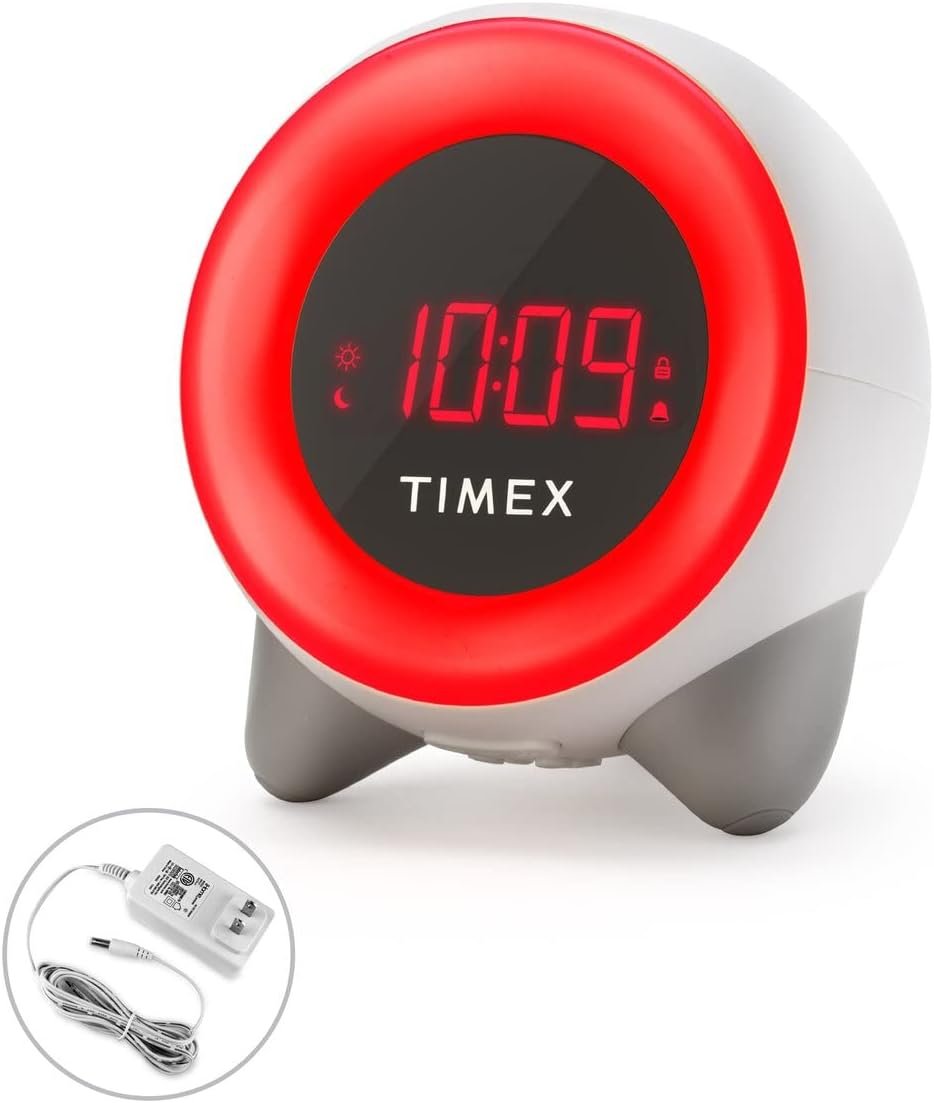
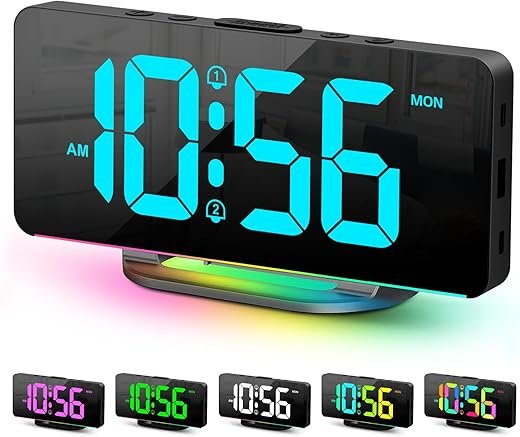
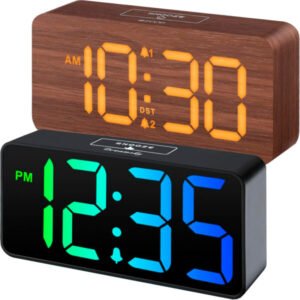
Digital alarm clocks remain popular for their simplicity,reliability and affordability,typically ranging from $15-40. These workhorses feature bright LED displays that make checking the time easy even in low light.
Most digital models come equipped with essential features including multiple alarm settings,snooze functions,and battery backup to maintain your settings during power outages. The display brightness varies significantly between models – some offer adjustable dimming while others maintain constant brightness that might disturb light-sensitive sleepers.
The key advantage of traditional digital clocks is their straightforward interface – large,clearly labeled buttons make setting alarms intuitive even when you're half-asleep. For many people,particularly those who appreciate simplicity,these no-frills models provide everything needed without unnecessary complications.
Look for models with red LED displays rather than blue or white,as they're easier to read at night while causing less disruption to melatonin production.
2
Sunrise Simulation Alarm Clocks
Alarm Clocks with Sunrise for Ready to Wake Up Happy
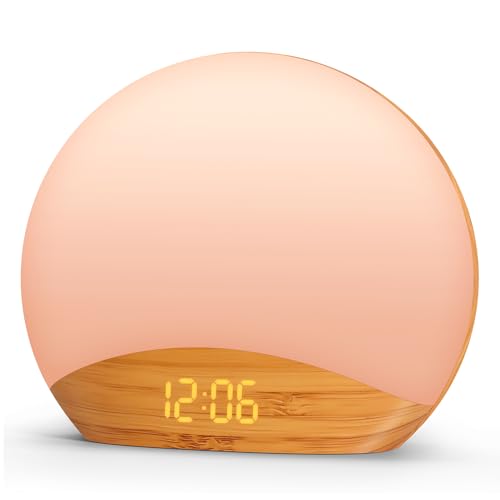
Sunrise alarm clocks revolutionize the wake-up experience by mimicking natural dawn through gradually increasing light. Beginning 20-40 minutes before your set alarm time,these specialized devices emit a soft glow that intensifies slowly,signaling your body to reduce melatonin production naturally.
This gradual awakening process works directly with your circadian rhythm – the internal clock that regulates sleep cycles and hormonal patterns. By simulating dawn,these clocks help align your wake time with natural biological processes even during winter months when you might need to rise before the actual sunrise.
The gentle light therapy provided by sunrise clocks has been shown to reduce sleep inertia – that groggy,disoriented feeling when waking abruptly from deep sleep. Many models complement the light simulation with nature sounds that increase in volume as the light brightens,further enhancing the natural wake-up experience.
People who struggle with seasonal mood changes or difficulty waking in darkness report significant improvements in morning energy and mood after switching to sunrise simulation clocks. The initial investment ($50-150) typically pays off quickly in improved sleep quality and more pleasant mornings.
3
Smart Alarm Clocks
Top of the Best Smart Clock with Alarm Collections
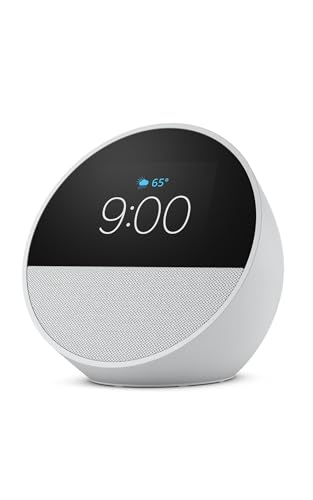
Smart alarm clocks represent the cutting edge of wake-up technology,connecting to your home network via Wi-Fi or Bluetooth to enable advanced functionality. These sophisticated devices often pair with smartphone apps that offer customization far beyond traditional models.
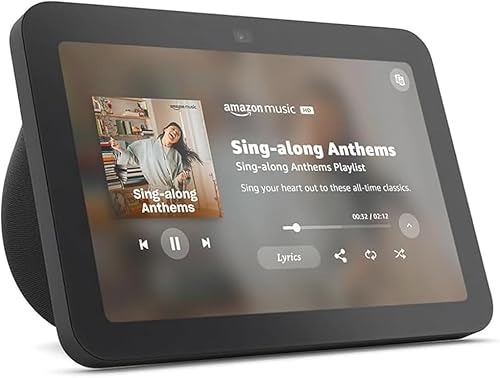
Testing reveals the most useful smart features include sleep tracking capabilities that monitor movement and environmental factors to wake you during lighter sleep phases. Many models integrate with voice assistants like Amazon Alexa,allowing you to set alarms,check weather,or control other smart home devices through voice commands.
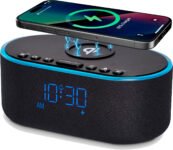
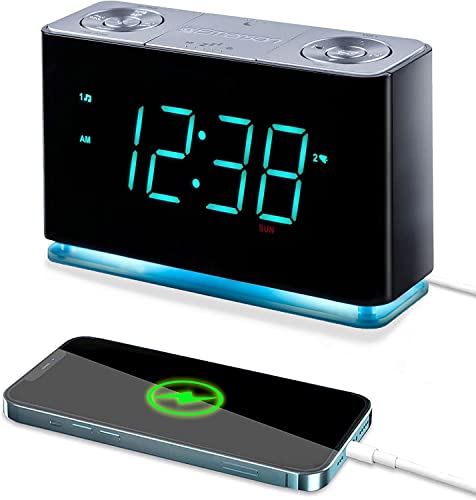
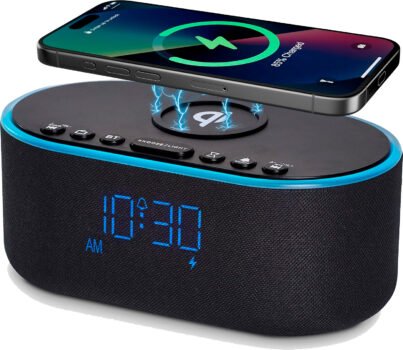
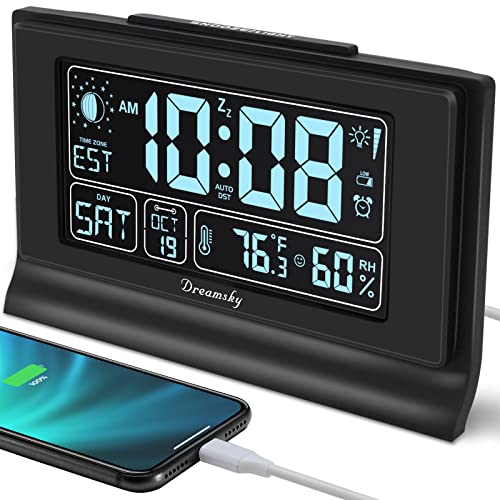
Connection options vary widely – some rely on Bluetooth for phone pairing,while others use Wi-Fi for internet access and updates. The more advanced models include USB ports for charging smartphones overnight,eliminating the need for additional chargers on your nightstand.
Not all smart features prove equally valuable in real-world use. Mobile app interfaces vary dramatically in quality,and connectivity issues can occasionally result in missed alarms. When choosing a smart alarm clock,prioritize reliability over novelty features that may become gimmicks after the initial excitement wears off.
4
Analog Alarm Clocks
The Timeless Appeal of Analog Alarm Clocks
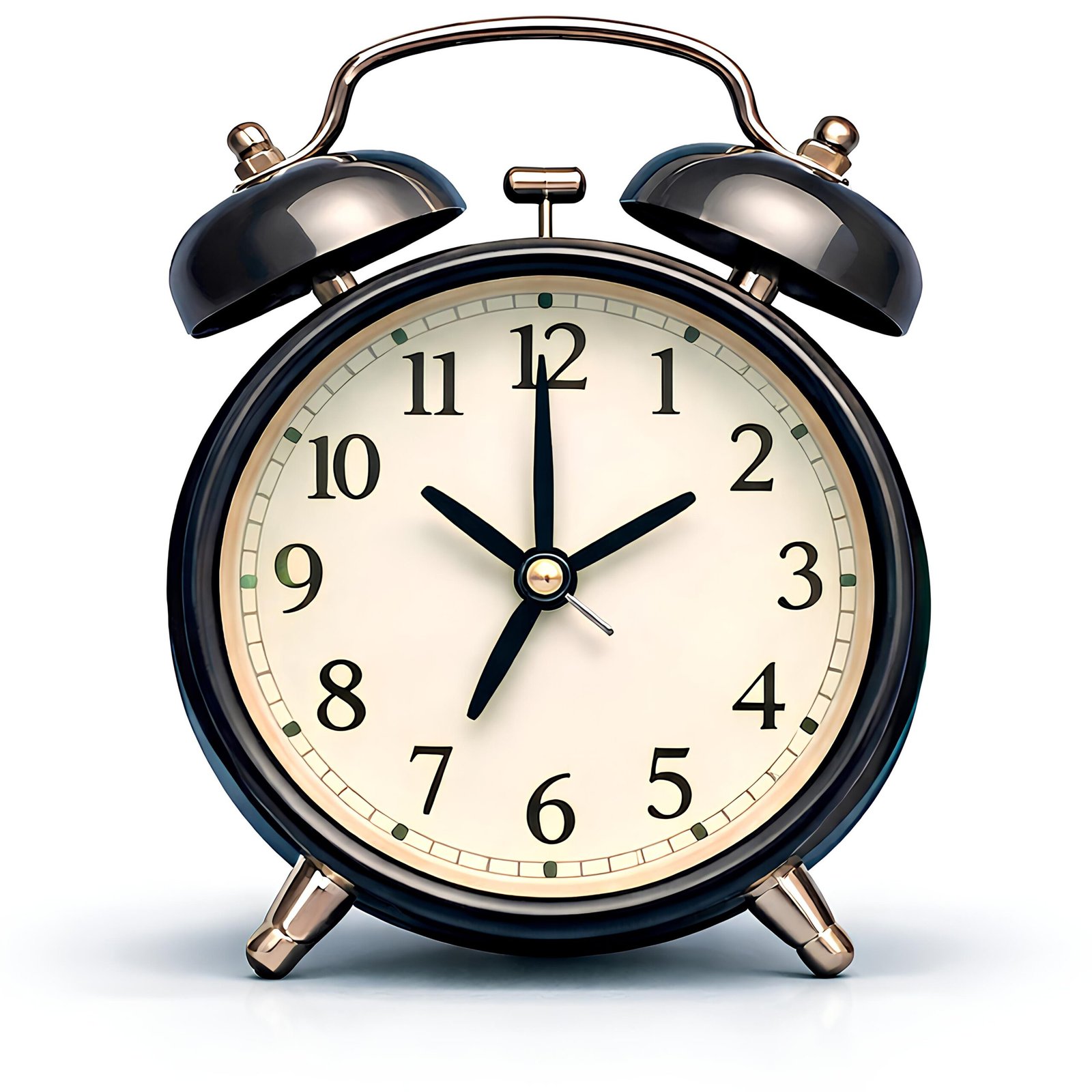
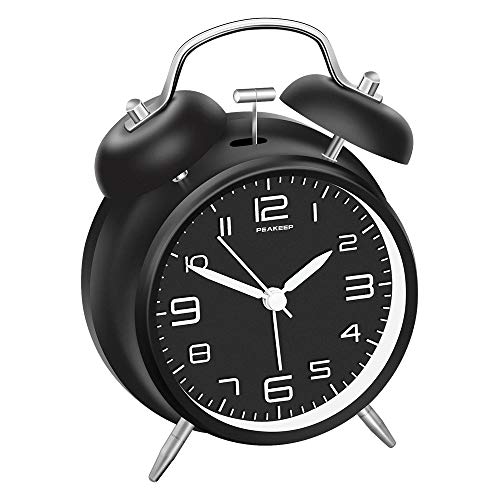
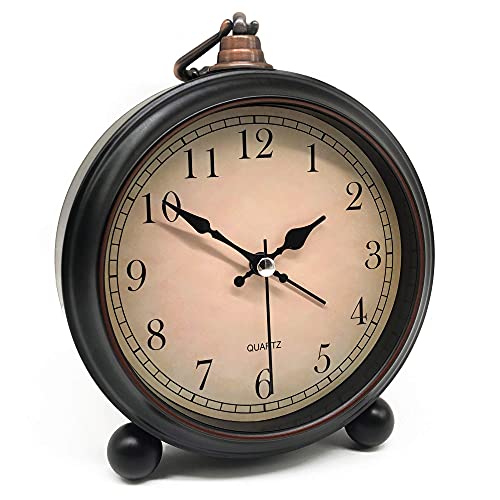
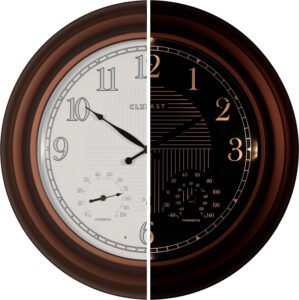
Analog alarm clocks offer timeless appeal combined with practical advantages that modern digital counterparts can't match. These traditional timepieces function independently of electrical outlets,making them completely reliable during power outages – a critical advantage in areas with unstable electrical service.
Most analog models use precise quartz movement technology for accurate timekeeping,maintaining time through simple battery power. The mechanical bell or buzzer alarm systems operate without complex electronics,resulting in fewer potential points of failure.
Beyond reliability,many people choose analog clocks for their aesthetic contribution to bedroom décor. The gentle ticking sound can create a soothing white noise effect that many find helps with falling asleep,though this same feature might irritate sensitive sleepers.
Setting alarms on analog clocks requires manual adjustment of physical dials rather than button presses,which some find more intuitive and others less convenient. For those seeking simplicity and dependability over technological features,a quality analog alarm clock provides exceptional longevity.
5
Projection Alarm Clocks
Projection Clocks:The Perfect Blend of Innovation and Convenience
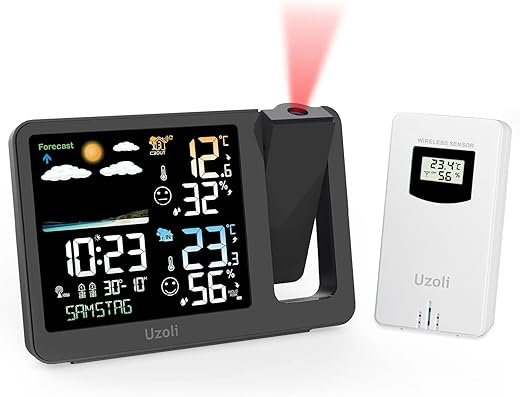
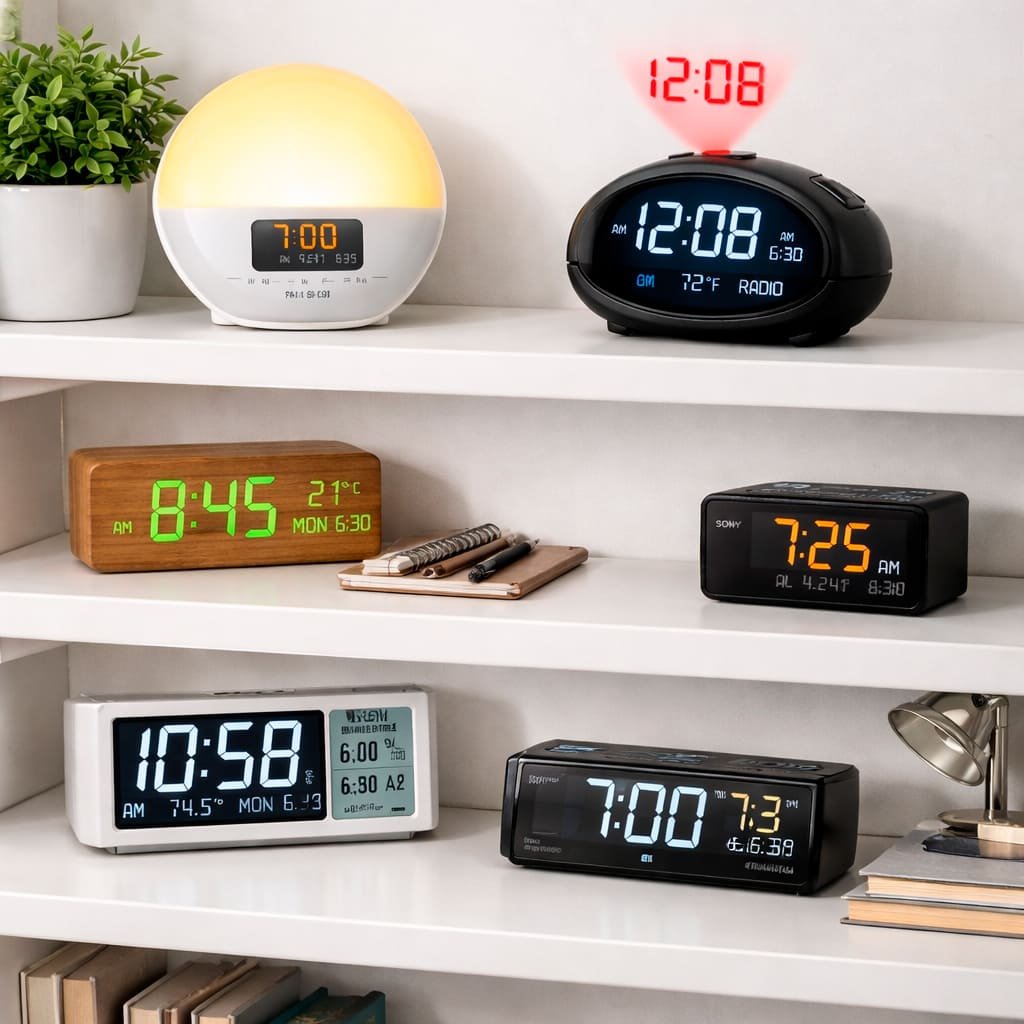
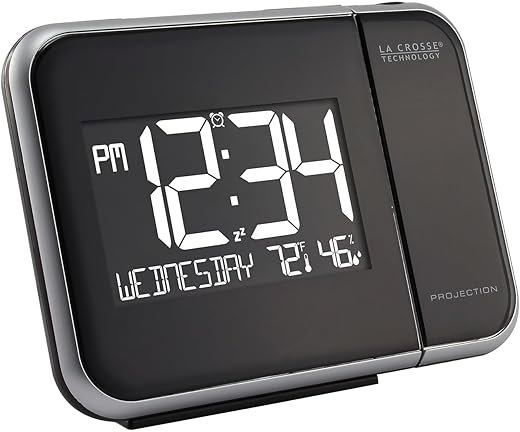
Projection alarm clocks solve a common problem – checking the time without reaching for glasses or turning to face the clock. These specialized devices project large,clear time displays onto your ceiling or wall,making the information visible from any position in bed.
The projection feature proves particularly valuable for people with limited mobility,vision impairments,or those who wear glasses. Many models offer adjustable focus and rotation controls to perfect the projection angle for your specific bedroom layout.
Most projection clocks use red light for the projected display,which causes minimal sleep disruption compared to blue or white light. The projection brightness can typically be adjusted or turned off entirely when not needed.
Testing various models reveals significant differences in projection quality. The best units produce crisp,clear numbers visible across the room,while lower-quality options may appear blurry or dim. For optimal functionality,choose a model with at least 180° adjustable projection angle and multiple brightness settings.
6
Alarm Clocks with Radio and Sound Features
Wake Up Right:Best Radio Alarm Clocks for Your Daily Routine
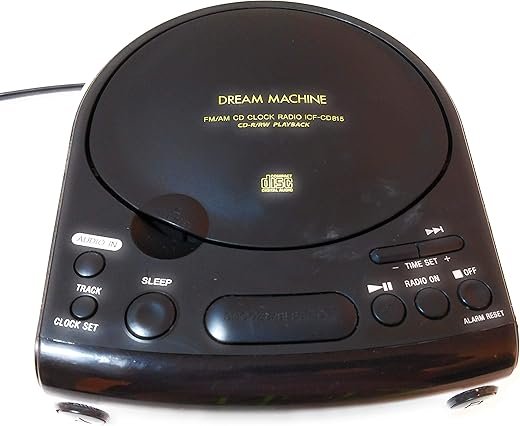
Radio alarm clocks combine wake-up functionality with entertainment,offering FM/AM radio capabilities alongside standard alarm features. Modern versions often include Bluetooth connectivity,allowing you to stream audio from smartphones or other devices through the clock's speakers.
The sound quality varies dramatically between models,with price generally reflecting speaker performance. Higher-end units deliver richer audio suitable for music listening,while budget models may provide adequate radio reception but tinny sound reproduction.
Sound Feature
Benefits
Best For
FM/AM Radio
Wake to news,music or talk shows
News followers,music fans
Nature Sounds
Gentler,more natural awakening
Light sleepers,stress-prone individuals
Bluetooth Streaming
Custom playlists,podcasts as alarms
Music enthusiasts,customization lovers
White Noise
Masks background noise for better sleep
Urban dwellers,sensitive sleepers
Guided Meditation
Evening relaxation,morning mindfulness
Anxiety sufferers,mindfulness practitioners
Research shows waking to gradually increasing radio or nature sounds leads to better morning mood compared to traditional beeping alarms. The transition from sleep to wakefulness feels less abrupt when familiar music or gentle sounds replace jarring alarm tones.
Key Features to Consider When Buying an Alarm Clock
When shopping for an alarm clock,focusing on features that match your specific sleep habits yields better results than simply buying the model with the most functions. Different features serve different needs,and the "perfect" alarm clock varies from person to person.
Sleep experts recommend evaluating alarm clocks based on your bedroom environment,sleep patterns,and morning routine rather than marketing claims. Many buyers waste money on alarm clocks with impressive but ultimately unused features,when a simpler model would better serve their needs.
Feature
Description
Importance Rating
Best For
Display Readability
Size,brightness and clarity of time display
High
Everyone,especially those with vision issues
Alarm Sound Options
Variety and quality of wake-up sounds
High
Light sleepers,sound-sensitive people
Power Backup
Battery function during outages
High
Everyone,especially in areas with unreliable power
Snooze Function
Temporary alarm suspension
Medium
Those who ease into waking up gradually
Connectivity
Bluetooth,Wi-Fi,USB features
Low-Medium
Tech enthusiasts,smartphone users
Special Features
Sleep sounds,projection,smart home integration
Varies
Depends on individual needs
Rather than focusing solely on price,consider how well each feature aligns with your personal needs. A well-matched $30 alarm clock often provides better results than a mismatched $150 model with features you'll never use.
Display Options and Readability
Display quality significantly impacts both the functionality of your alarm clock and potentially your sleep quality. The size of digits,brightness levels,and color of illumination all affect how easily you can check the time without disrupting your rest.
LED displays dominate the market due to their brightness and clarity,but not all LED implementations are equal. Red LED displays cause the least disruption to melatonin production and circadian rhythms,making them the preferred choice for bedroom use. Blue and white LEDs,while often brighter and more visible,emit wavelengths that more aggressively suppress melatonin and can interfere with falling back asleep if you check the time at night.
Dimmable displays provide essential flexibility for different environments. The optimal brightness setting in a sun-filled room differs dramatically from what's comfortable in complete darkness. When testing alarm clocks,we found models with automatic brightness adjustment based on ambient light conditions provided the best user experience across varied lighting situations.
For those sharing a bedroom,consider how the display might affect your partner. Projection clocks that display time on the ceiling or wall can provide easy time checking without light bleeding across the room,while overly bright displays without adequate dimming can become a source of nighttime tension.
Alarm Sound Types and Volume Controls
The sound that wakes you significantly influences your mood and energy level throughout the morning. Harsh,sudden beeping triggers a stress response,releasing cortisol and adrenaline that can leave you feeling anxious and irritable even hours after waking.
Research into sleep inertia – the groggy,disoriented feeling upon waking – shows that gentler sounds with gradually increasing volume result in smoother transitions from sleep to wakefulness. Many newer alarm clocks offer this ramping feature,starting with barely audible tones that increase to full volume over 30-60 seconds.
Beeping/Buzzing:Effective for heavy sleepers but often jarring;creates stronger stress response
Music:Familiar and customizable;effectiveness varies by genre and personal preference
Radio:Provides current information;unpredictability can help prevent alarm habituation
Graduated Volume:Starts soft and increases;minimizes sleep inertia;best for light to moderate sleepers
Volume control quality matters tremendously in real-world use. The ability to fine-tune volume levels ensures your alarm is loud enough to wake you reliably without being unnecessarily startling. The most effective models offer weekend volume settings that differ from weekday levels,accommodating different waking needs.
Power Sources and Backup Options
Power reliability directly impacts alarm clock dependability. Nothing undermines confidence in your wake-up system like missing an important morning appointment due to power failure or dead batteries.
Most modern alarm clocks use standard AC power through wall outlets as their primary energy source. However,the critical difference lies in backup systems. The most reliable models incorporate backup batteries that automatically take over during power outages,maintaining both the current time and alarm settings.
Battery-only alarm clocks eliminate concern about power outages entirely but require regular battery replacement. Models using standard AA or AAA batteries prove more convenient than those requiring specialty batteries,which might be difficult to find when needed quickly.
When evaluating backup power systems,check how the clock behaves during power transitions. Superior models maintain all settings seamlessly during outages and restore normal operation automatically when power returns,without requiring reprogramming.
For travelers or those who frequently change locations,compact battery-powered alarm clocks offer greater flexibility than plug-in models. These portable options typically use less power than their plug-in counterparts,with batteries lasting 6-12 months with normal use.
Additional Functionality
Modern alarm clocks often incorporate features beyond simple timekeeping and alarms. While these extras can add value,they also increase complexity and cost – making it important to distinguish between useful additions and unnecessary complications.
USB charging ports rank among the most practical extra features,eliminating the need for separate phone chargers on your nightstand. Models with 2A or higher output provide faster charging for modern smartphones and tablets. During testing,we found this feature saved valuable outlet space and reduced bedside clutter.
Bluetooth connectivity enables music streaming through clock speakers and more customizable alarm options. However,the audio quality varies dramatically – budget models often deliver disappointing sound despite advertising this feature prominently.
Weather forecasting:Provides useful morning information but requires Wi-Fi connection;accuracy varies by model
Sleep sound libraries:Helpful for falling asleep but often limited in non-premium models
Smart home integration:Convenient for controlling other devices but increases complexity
Sleep tracking:Varies widely in accuracy;dedicated fitness trackers typically perform better
Multiple user profiles:Valuable for couples with different schedules but complicates setup
Industry data shows that simpler alarm clocks typically enjoy longer usable lifespans than feature-laden models,as complex electronics and software become outdated more quickly. When considering additional functions,prioritize those that address specific needs rather than novel features you'll rarely use.
Build Quality and Durability
The physical construction of an alarm clock significantly impacts both its lifespan and user experience. Since alarm clocks typically face daily use for years – including frequent button presses and occasional knocks or drops – sturdy construction pays dividends over time.
Button quality represents one of the most important yet overlooked aspects of alarm clock design. Responsive buttons with clear tactile feedback make setting alarms easier,especially when adjusting settings in the dark or while half-asleep. During testing,models with mushy or unresponsive buttons frequently caused setting errors and frustration.
Housing materials directly affect durability. High-quality plastics with rubberized bases prevent sliding on nightstands,while metal construction generally indicates longer-lasting internal components. Budget models often use thinner plastics that crack more easily when dropped.
The design of the power connection point also affects longevity. Recessed power ports with strain relief prevent cord damage from accidental yanking,while poorly designed connections become loose over time,causing intermittent power issues.
When evaluating build quality,examine the weight,seam quality,and stability when buttons are pressed. Heavier models with tight seams and solid button action typically indicate better internal construction and longer potential lifespan.
Best Alarm Clocks for Different Types of Sleepers
Sleep patterns and waking preferences vary dramatically between individuals,making the "perfect" alarm clock highly personalized. Research in sleep science has identified distinct chronotypes – natural patterns that influence when people naturally feel sleepy and alert.
Your chronotype,combined with how deeply you sleep and environmental factors,largely determines which alarm clock features will serve you best. Someone who wakes easily with minimal stimulation needs very different features than someone who regularly sleeps through conventional alarms.
Beyond chronotype,consider your typical sleep quality and quantity. Those who regularly achieve sufficient deep sleep often wake more easily than chronically sleep-deprived individuals. Finding an alarm clock that accommodates your specific sleep profile improves both waking experience and morning productivity.
The following sections match specific alarm clock types to different sleeper profiles,based on extensive testing and sleep research rather than generic recommendations.
Alarm Clocks for Heavy Sleepers
Heavy sleepers face unique challenges in waking reliably,often sleeping through standard alarms that would easily rouse others. For these deep sleepers,conventional alarm sounds simply incorporate into dreams rather than triggering wakefulness.
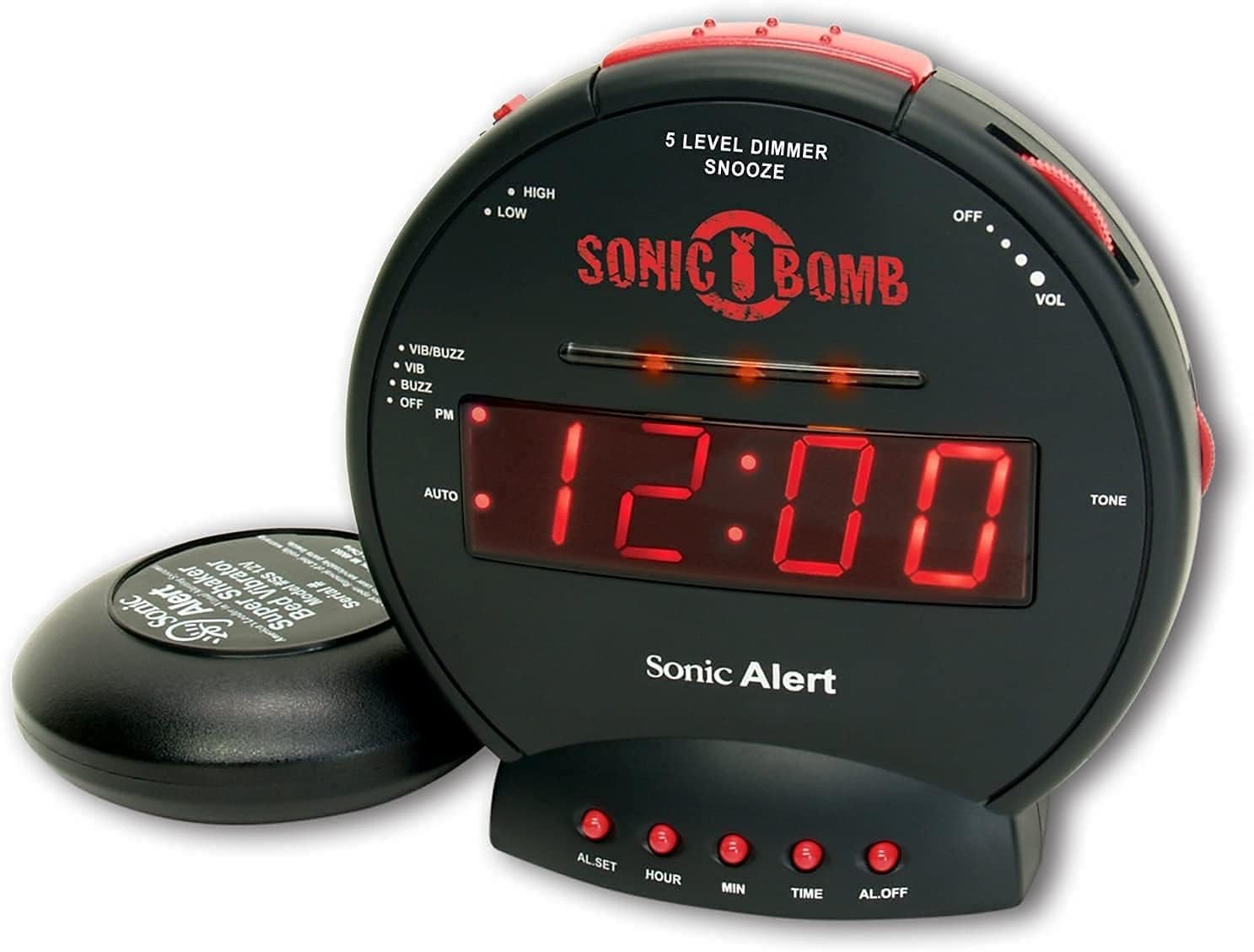
The most effective alarm clocks for heavy sleepers employ multiple sensory systems simultaneously. Vibration-based systems prove particularly effective,with under-pillow or under-mattress "bed shakers" that physically move the sleeping surface. These devices typically produce vibrations at frequencies specifically designed to interrupt deep sleep patterns.
Sound volume and frequency also matter significantly. Heavy sleepers respond better to alarm sounds in the higher frequency range (2000-4000 Hz),which the human ear perceives as more piercing and difficult to ignore. The most effective models for heavy sleepers offer volume levels reaching 90-100 decibels – comparable to a lawn mower or motorcycle engine.
Light-based systems can supplement but rarely replace sound or vibration for the heaviest sleepers. However,extra-bright light pulses synchronized with sound and vibration create a more effective multi-sensory wake system that's harder to sleep through.
For extremely resistant sleepers,some specialized alarms include progressive features that prevent easy deactivation,requiring the user to perform tasks demonstrating alertness before silencing the alarm.
Gentle Wake Options for Light Sleepers
Light sleepers often experience jarring,unpleasant awakenings with traditional alarm clocks. Standard beeping alarms can trigger an excessive stress response in these sensitive sleepers,leading to increased heart rate,blood pressure spikes,and lasting feelings of anxiety throughout the morning.
Sunrise alarm clocks offer the ideal solution for many light sleepers. These specialized devices begin producing light 20-40 minutes before the set wake time,gradually increasing brightness to mimic natural dawn. This gentle light stimulation helps regulate circadian rhythm by naturally suppressing melatonin production and increasing cortisol to appropriate morning levels.
The physiological response to simulated sunrise helps transition through sleep cycles naturally,reducing sleep inertia – that groggy,disoriented feeling upon waking. Most light sleepers report feeling more refreshed and alert when waking with sunrise simulation compared to sound-based alarms.
For optimal results,sunrise alarm clocks with adjustable light intensity progression allow customization to individual sensitivity. The most effective models complement gradually brightening light with nature sounds that increase in volume slowly,creating a multi-sensory but gentle wake experience.
Many light sleepers who previously startled awake feeling anxious report significantly improved morning mood and energy after switching to these gentler awakening methods.
Alarm Clocks with Sleep Aid Functions
Dual-function alarm clocks that both help you fall asleep and wake you gently address the complete sleep cycle. These specialized devices incorporate features like white noise generation,meditation guides,and evening light therapy to improve both sleep onset and morning awakening.
White noise functions prove particularly effective for urban dwellers or those with noise-sensitive sleep patterns. Quality alarm clocks with this feature generate consistent sound across multiple frequencies,effectively masking disruptive environmental noises that might otherwise cause awakenings throughout the night.
Beyond basic white noise,more sophisticated models offer specialized sound libraries including rainfall,ocean waves,and other natural sounds that research shows promote deeper relaxation. The most effective units allow sound to continue all night or set automatic timers that gradually fade out after you've fallen asleep.
Evening light therapy features complement sound capabilities by emitting specialized wavelengths that support natural melatonin production. Unlike morning light that suppresses melatonin,evening amber or red lighting preserves this important sleep hormone while providing enough illumination for bedtime activities.
For those who struggle with both falling asleep and waking refreshed,these comprehensive sleep management systems justify their typically higher price point through improved overall sleep quality.
Travel Alarm Clocks
Travelers face unique challenges maintaining sleep schedules across time zones and in unfamiliar environments. Effective travel alarm clocks balance compact size with reliability features that work anywhere in the world.
Battery operation ranks as the most essential feature for travel models,eliminating concerns about finding appropriate power outlets or adapters in foreign locations. The most travel-friendly options use standard AA or AAA batteries available worldwide,rather than proprietary battery types.
Physical size and durability matter tremendously for frequent travelers. Fold-up designs with protected displays prevent damage in packed luggage,while rubberized exteriors provide protection against inevitable drops. The most practical travel models weigh under 8 ounces while remaining large enough for easy operation.
Time zone management features prove particularly valuable for international travelers. Advanced models store multiple time zone settings for quick adjustment upon arrival,reducing the risk of conversion errors that could lead to missed appointments or flights.
Simple,intuitive interfaces become especially important when setting alarms while jet-lagged. Travel-specific alarm clocks minimize complicated button combinations,using clear,logical controls that can be mastered even when tired and disoriented in an unfamiliar hotel room.
The Benefits of Using a Dedicated Alarm Clock vs. Smartphone
The shift toward using smartphones as alarm clocks happened gradually for many people,but the negative consequences of this habit have become increasingly apparent through sleep research. Dedicated alarm clocks offer significant advantages that directly impact sleep quality,morning mood,and overall well-being.
Perhaps the most compelling reason to use a dedicated alarm clock involves blue light exposure. Smartphone screens emit wavelengths that suppress melatonin production,the hormone essential for quality sleep. Even brief exposure to this light while setting alarms or checking notifications can delay sleep onset by 30-60 minutes.
Beyond light exposure,smartphones bring endless distractions into the bedroom. What begins as a quick alarm check often turns into social media browsing,email checking,or video watching that further delays sleep. Sleep researchers have documented that people who use phones as alarms report an average of 54 minutes less sleep nightly than those using dedicated alarm clocks.
Most importantly,smartphones create a psychological association between the bedroom and work,social stress,or entertainment rather than rest. This mental connection undermines the brain's ability to recognize the bedroom as a sleep sanctuary,instead keeping you mentally activated in a space meant for relaxation.
Improved Sleep Quality
Removing smartphones from the bedroom creates immediate,measurable improvements in sleep quality. Research shows the average person checks their phone 5-7 times after initially going to bed,with each interaction resetting the brain's path toward deep sleep.
Blue light from phone screens disrupts the circadian rhythm by suppressing melatonin production at precisely the time your body should be maximizing this important sleep hormone. Even brief exposure to this wavelength signals your brain that it's still daytime,delaying sleep onset and reducing total deep sleep throughout the night.
Beyond light effects,the content consumed on smartphones triggers emotional and cognitive arousal. Whether reading work emails,browsing social media,or consuming news,these activities stimulate rather than relax the brain. This mental activation directly opposes the cognitive quiet needed for quality sleep.
Sleep studies tracking brain wave patterns show that participants who removed phones from the bedroom experienced 34% more deep sleep and 28% fewer nighttime awakenings compared to those using phone alarms. These physiological improvements translated to feeling more refreshed upon waking and maintaining better energy levels throughout the day.
For those struggling with insomnia or sleep maintenance issues,eliminating smartphones from the sleep environment often produces more significant improvements than pharmaceutical interventions,without any side effects.
Reliability and Simplicity
Dedicated alarm clocks offer superior reliability compared to smartphones through simpler,more focused design. With fewer potential points of failure,they provide greater confidence that you'll wake on time for important events.
Smartphone alarms depend on proper software function across complex operating systems with millions of lines of code. Software bugs,automatic updates,and app conflicts can occasionally disable or modify alarm settings without warning. Dedicated alarm clocks operate through simpler,purpose-built circuits with decades of proven reliability.
Battery life represents another critical reliability factor. Smartphones performing multiple background functions throughout the night may run out of power before morning,while dedicated alarm clocks with battery backup maintain function even during power outages. This redundancy proves especially valuable during storms or in areas with unstable electrical service.
The simplicity of dedicated alarm interfaces also reduces user error. Clear,physical buttons with specific functions minimize setting mistakes compared to touchscreen interfaces that change with software updates or require multiple steps to access alarm functions.
For critical wake-up situations like catching early flights or attending important meetings,this reliability difference justifies maintaining a dedicated alarm clock even for dedicated smartphone users.
Creating Healthier Bedtime Routines
A dedicated alarm clock serves as the centerpiece of a more structured,effective sleep routine. Without the distractions of a smartphone,you can establish consistent bedtime rituals that signal your brain it's time to wind down.
Effective sleep routines typically begin 30-60 minutes before target sleep time,incorporating relaxing activities that prepare both body and mind for rest. Reading physical books,gentle stretching,meditation,or relaxing baths all help transition from daily stimulation to sleep readiness.
The absence of smartphones eliminates the temptation to check "just one more thing" before sleep. This boundary setting strengthens with time,gradually reducing the psychological pull of digital distractions at bedtime. Most people report that after 1-2 weeks,the urge to reach for phones significantly diminishes.
Set your alarm clock for the same time each morning (even weekends)
Turn down lights 30-60 minutes before bed to signal melatonin production
Replace phone usage with physical books or relaxation techniques
Maintain bedroom temperatures between 65-68°F (18-20°C)
Establish a brief pre-sleep ritual that becomes associated with rest
Research in circadian biology shows that consistent sleep and wake times strengthen natural sleep cycles. A dedicated alarm clock helps maintain this consistency without introducing the variable stimulation of smartphone content,leading to more predictable,refreshing sleep patterns over time.
How to Get the Most From Your Alarm Clock
Simply owning the right alarm clock isn't enough – how you use it dramatically affects its effectiveness. Through extensive testing of different alarm clocks and sleep strategies,clear patterns emerge about optimal usage techniques.
The placement,settings,and maintenance of your alarm clock all contribute to its performance. Small adjustments in these areas can transform a mediocre wake-up experience into a consistently pleasant start to your day.
Beyond the alarm clock itself,developing supportive habits around your wake-up routine amplifies benefits. The most successful morning routines pair reliable alarm clock use with consistent sleep schedules and intentional morning activities that reinforce wakefulness.
These practical strategies apply to any alarm clock type,allowing you to maximize the benefits of whatever model you choose. With minimal effort,these techniques can dramatically improve both your sleep quality and morning experience.
Optimal Placement in Your Bedroom
The position of your alarm clock within your bedroom significantly impacts both its effectiveness and your sleep quality. Proper placement balances accessibility with minimal sleep disruption from lights and displays.
For standard digital alarm clocks,position the display facing away from the bed when possible. This orientation minimizes light exposure during sleep while still allowing you to check the time by slightly raising your head. Place the clock close enough to reach the snooze button without fully leaving bed,but far enough that you must make a deliberate movement to silence it.
Sunrise alarm clocks require more strategic positioning to maximize light exposure. Place these units 24-36 inches from your face,slightly above eye level when lying down. This position allows the light to reach your eyes even when they remain closed,triggering the physiological response needed for gentle awakening.
For projection alarm clocks,test different angles to find the optimal ceiling or wall position that's visible without straining. The best placement typically projects time onto the ceiling directly above your natural sleeping position,requiring no movement to check the time.
Consider your bedroom furniture arrangement when positioning alarm clocks. Nightstands should be positioned to prevent knocking clocks over when reaching to silence alarms. For shared bedrooms,position the clock closer to the person who needs to wake earlier to minimize disturbing partners.
Setting Multiple Alarms Effectively
While multiple alarms can help ensure reliable wake-ups,their improper use often creates dependency and disrupts healthy sleep patterns. Strategic alarm setting maximizes effectiveness while minimizing sleep fragmentation.
The most effective approach uses no more than two alarms spaced 5-10 minutes apart. This interval allows enough time to transition naturally from sleep without falling back into deeper sleep cycles between alarms. Longer intervals (15+ minutes) often permit returning to deeper sleep,making subsequent waking more difficult and increasing sleep inertia.
Situation
Recommended Strategy
Why It Works
Normal Workdays
Two alarms:first at target time,second 8 minutes later
Provides backup while preventing return to deep sleep
Critical Mornings
Primary alarm plus backup on different device
Redundancy across devices prevents technical failures
Weekends/Days Off
Single alarm with consistent timing
Maintains circadian rhythm while reducing interruptions
Travel/Jet Lag
Multiple alarms with physical movement required
Combats disorientation in unfamiliar environments
Research shows that excessive alarm use (3+ alarms) fragments sleep architecture and increases morning grogginess. When you regularly need multiple alarms to wake,this indicates either insufficient sleep quantity or poor sleep quality that should be addressed directly rather than compensated for with additional alarms.
For those who struggle with waking,combining different sensory cues proves more effective than multiple identical alarms. Pairing a light-based wake system with a sound alarm typically works better than two sound alarms.
Maintenance and Care
Proper maintenance ensures your alarm clock remains reliable and functional for years. Simple care routines prevent common failures and extend device lifespan considerably.
For battery-operated or backup systems,establish a regular battery replacement schedule rather than waiting for failure. Replace standard alkaline batteries every 8-12 months,even if they still function,to prevent leakage that could damage internal components. Most clock batteries last 12-18 months,but establishing a fixed annual replacement date (like New Year's Day) eliminates the risk of unexpected failures.
Dust accumulation interferes with buttons,switches,and display visibility. Clean your alarm clock monthly using compressed air for crevices and a microfiber cloth slightly dampened with water for surfaces. Avoid liquid cleaners on electronic components or displays,as they may damage protective coatings or seep inside casings.
Button mechanisms represent common failure points in frequently used alarm clocks. Extend button life by using consistent,direct pressure rather than sideways force when pressing controls. For sticky or unresponsive buttons,cleaning around button edges with a dry,soft brush often resolves issues without requiring replacement.
For alarm clocks with special features like projection or sunrise simulation,check that bulbs and LEDs function properly during regular testing. Many units allow bulb replacement,extending functional life significantly beyond what's possible when these components fail in sealed units.
The 2 by 3 Rule for Alarm Settings
The "2 by 3 rule" represents a science-backed approach to alarm setting that reduces sleep inertia and improves morning alertness. This technique uses two strategically timed alarms to ease the transition from sleep to wakefulness.
Set your first alarm for exactly 2-3 minutes before you actually need to wake up. This initial gentle alarm triggers the beginning of the waking process without fully disrupting sleep. Your brain begins transitioning toward consciousness while you remain in a light sleep state.
The second alarm,set for your actual target wake time,then completes the process after your brain has begun natural waking preparations. This graduated approach prevents the jarring transition from deep sleep to immediate alertness that causes grogginess and disorientation.
Individual chronotypes affect the optimal timing between alarms. "Morning larks" who naturally wake easily typically do better with just 2 minutes between alarms,while "night owls" often benefit from the full 3-minute interval to begin the waking process more gradually.
This technique works because it mimics the brain's natural waking sequence rather than forcing immediate alertness. Sleep researchers have documented reduced cortisol spikes and lower blood pressure increases when using this method compared to single-alarm waking,particularly in people who typically experience difficult mornings.
How Different Alarm Clock Sounds Affect Your Morning Mood
The sound that wakes you has profound effects on your psychological and physiological state throughout the morning and beyond. Research in sleep psychology reveals that alarm sounds trigger specific brain responses that persist for hours after waking.
Standard beeping alarms activate the amygdala,the brain's threat-response center,triggering a flood of stress hormones including cortisol and adrenaline. This evolutionary response prepared our ancestors for potential danger but creates unnecessary stress in modern environments. Blood pressure and heart rate spike sharply with these alarm types,contributing to morning mood problems.
In contrast,melodic sounds with gradual volume increases activate the brain's reward centers first,producing a more positive emotional response. These gentler sounds still effectively signal wakefulness but without triggering the fight-or-flight response that leaves you feeling anxious and irritable.
Sleep studies measuring brain activity and hormone levels have documented significantly different physiological states based solely on alarm sound type,with effects lasting 2-4 hours after waking. These findings explain why many people report dramatic mood improvements after changing only their alarm sound,without altering any other aspect of their sleep or morning routine.
Low vs. High Frequency Alarm Sounds
The frequency range of alarm sounds directly impacts physiological stress responses upon waking. High-frequency sounds (above 2000 Hz) like standard beeping alarms trigger stronger autonomic nervous system activation,including elevated heart rate,blood pressure spikes,and increased cortisol release.
These sharp,high-pitched sounds evolved as our brain's alert system for potential danger. The stress hormone surge they trigger served our ancestors well when immediate action might be needed,but creates unnecessary physiological strain for modern morning routines.
Lower frequency sounds (200-600 Hz) produce measurably different responses. These deeper tones activate waking mechanisms more gradually,allowing the body to transition from sleep without the jarring stress response. Heart rate increases more slowly,and cortisol rises to appropriate morning levels without the excessive spike seen with high-frequency alarms.
Sleep inertia – the groggy,disoriented feeling upon waking – lasts significantly longer following high-frequency alarm exposure. Research tracking cognitive performance shows that simple math and reaction time tests performed 30 minutes after waking show 23% better results in subjects woken with low-frequency alarms compared to high-frequency beeping.
For those who need strong stimulation to wake,medium-frequency sounds with rhythmic patterns often provide sufficient alerting power without triggering maximum stress responses.
Nature Sounds vs. Beeping Alarms
Nature sounds as alarm tones create distinctly different physiological responses compared to electronic beeping. Bird songs,rainfall,and ocean waves connect with ancient brain pathways that evolved with natural environmental cues,promoting more gradual and less stressful awakening.
Bird songs prove particularly effective as alarm sounds. Their varied frequencies and natural patterns prevent habituation (becoming desensitized to the sound) while avoiding the stress response triggered by mechanical beeps. Morning bird chorus sounds align with our evolutionary history,when dawn bird activity signaled safety and appropriate wake times.
Water-based sounds like gentle rainfall or ocean waves produce alpha brain waves associated with relaxed alertness rather than the beta waves triggered by beeping alarms. This brain state transition supports moving from sleep to wakefulness without the jarring,stress-inducing effects of electronic tones.
Research monitoring skin conductance (a measure of stress response) shows that subjects waking to nature sounds exhibit 35% lower physiological stress markers compared to those waking to beeping alarms,despite similar effectiveness in promoting wakefulness.
For optimal results,choose nature sounds with some variability rather than perfectly looped recordings,as the brain more quickly tunes out repetitive patterns. Sounds that gradually increase in complexity and volume most closely mimic natural morning transitions.
Music as an Alarm Sound
Music offers highly personalized alarm options that can significantly improve morning mood when selected appropriately. The emotional connections we form with familiar music activate different brain regions than generic alarm sounds,potentially easing the transition from sleep to wakefulness.
The musical characteristics matter more than genre preferences. Research shows that songs with a gradual build in intensity,moderate tempo (60-80 beats per minute),and positive emotional associations create the most effective wake-up experience. These qualities allow for progressive arousal rather than sudden disruption of sleep.
Music Type
Effectiveness for Waking
Stress Response
Songs with gradual build
High
Low
Instrumentals
Moderate
Very Low
High-energy tracks
Very High
Moderate
Songs with abrupt starts
High
High
Ambient/relaxing music
Low
Very Low
Radio alarms introduce unpredictability that can prevent habituation – the brain's tendency to eventually ignore familiar sounds. However,this unpredictability occasionally results in jarring content like commercials or news that might trigger stress responses.
Personal playlists via Bluetooth-connected alarm clocks offer the best balance of familiarity and effectiveness. Consider creating dedicated morning playlists featuring songs that build gradually and evoke positive emotions,rotating selections periodically to prevent habituation.
Sleep researchers recommend avoiding songs with strong emotional associations or lyrics that might engage cognitive processing too quickly. Instrumental tracks or songs with simple,positive lyrics typically work best for the initial transition from sleep to wakefulness.
Alarm Clocks for Special Needs and Situations
Standard alarm clocks often fail to meet the needs of people with disabilities or those in unique living situations. Specialized designs address these challenges through innovative features tailored to specific requirements.
For individuals with hearing or visual impairments,accessible alarm clocks provide essential independence in daily routines. These specialized devices often incorporate multiple sensory systems,ensuring reliable wake-up calls regardless of specific disabilities.
Beyond disability accommodation,specialized alarm clocks address unique living arrangements and occupational requirements. Shift workers,people in shared bedrooms,and those with sleep disorders benefit from features designed specifically for their situations.
While these specialized clocks sometimes carry higher price tags than standard models,their targeted functionality provides value through independence and reliability that generic alarms cannot match. The right specialized alarm clock can transform the morning experience for those with specific needs.
Alarm Clocks for People with Hearing Impairments
For people with hearing impairments,traditional sound-based alarm clocks prove ineffective or completely unusable. Specialized alternatives use vibration,light patterns,and extra-low frequency sound to create reliable wake-up systems that don't depend on standard hearing.
Vibration-based systems represent the most reliable option for profound hearing loss or deafness. These devices include powerful "bed shakers" that attach to mattresses or pillows,producing strong vibrations that physically wake the sleeper. The most effective models offer adjustable vibration intensity and pattern options to match individual sensitivity levels.
Light-based wake systems complement vibration features in many specialized clocks. These units produce bright,pulsing light patterns designed to penetrate closed eyelids and signal waking time. Advanced models create specific flash sequences that prove more effective at triggering awakening than constant bright light.
For those with partial hearing loss,alarm clocks generating extra-low frequency sounds (below 500 Hz) often remain audible when higher frequencies cannot be detected. These specialized sound patterns utilize the frequencies most commonly preserved in age-related or noise-induced hearing loss.
Multi-sensory alarm clocks combining all three approaches – vibration,light,and low-frequency sound – provide the most reliable solution for people with hearing impairments,offering redundant wake systems that ensure independent morning routines without depending on caregiver assistance.
Alarm Clocks for People with Visual Impairments
People with visual impairments face unique challenges with conventional alarm clocks that rely on visual displays for setting and confirming alarm times. Specialized accessible designs address these limitations through tactile controls,voice features,and high-contrast displays.
Talking alarm clocks announce the current time,alarm settings,and control confirmations through clear voice output. The most effective models speak all button presses aloud,allowing users to confidently set alarms without seeing the display. Advanced units offer volume control and voice speed adjustments to match individual preferences.
For those with partial vision,large-display alarm clocks with digits measuring 2-4 inches high improve readability significantly. High-contrast color combinations – particularly white or yellow digits on black backgrounds – further enhance visibility for many low vision conditions.
Tactile features provide independence for those with complete blindness. Raised reference points on control surfaces,distinct button shapes,and braille labels allow for touch-based operation without requiring vision. The most effective designs position controls in consistent,logical arrangements that create intuitive mental maps of the device.
Voice-controlled models incorporating smart assistant technology offer additional convenience,allowing alarm setting through verbal commands without requiring physical interaction with the device. These units typically provide verbal confirmations of all settings to ensure accuracy.
Alarm Clocks for Shift Workers and Irregular Schedules
Shift workers face significant challenges maintaining healthy sleep patterns while working nights or rotating schedules. Specialized alarm clocks address these unique needs through features designed to support sleep against circadian disruption.
Light-blocking capabilities prove essential for daytime sleepers. Advanced alarm clocks for shift workers include room-darkening features that minimize ambient light penetration when sleeping during daylight hours. Some models incorporate blackout shades or special light-blocking technologies directly into their design.
Multiple,independent alarm profiles allow easy management of complex work rotations. The most effective shift worker alarm clocks store several complete schedule patterns,enabling quick switching between day shifts,night shifts,and days off without reprogramming all settings each time.
Day/date displays with enhanced visibility help prevent disorientation common in shift workers. Large,clear indicators showing not just time but day of week help maintain temporal awareness when sleep patterns regularly oppose natural circadian rhythms.
Research on shift work sleep disorder shows that specialized sunrise simulation timed for pre-wake periods (regardless of actual daylight conditions) helps recalibrate disrupted melatonin cycles. Alarm clocks with customizable light therapy settings allow shift workers to create artificial dawn experiences even when waking at unusual hours.
For rotating shift workers,models with customizable settings for sleep hygiene reminders help maintain consistent pre-sleep routines despite changing schedule demands,supporting healthier sleep during difficult schedule transitions.
Conclusion:Waking Up to a Better Morning
The alarm clock you choose and how you use it can transform your entire day,not just your morning. This seemingly small decision impacts sleep quality,stress levels,and productivity in ways most people never consider.
The best alarm clock for you matches your specific sleep patterns and morning preferences. Heavy sleepers benefit from multi-sensory wake systems,while light sleepers thrive with gentle,graduated approaches. Understanding your personal sleep profile allows you to select features that address your specific challenges rather than paying for unnecessary complications.
Beyond the alarm itself,implementing strategic usage techniques – proper placement,the 2 by 3 rule,and consistent maintenance – maximizes benefits from whatever model you choose. These small adjustments create significant improvements in morning experiences with minimal effort.
Perhaps most importantly,dedicated alarm clocks support healthier sleep environments by removing smartphones and their associated distractions from the bedroom. This single change often creates substantial improvements in both sleep quality and morning mood.
Take time to evaluate your current wake-up method against the options presented here. Small investments in better morning technology and habits can yield remarkable returns in daily energy,productivity,and overall well-being.
Frequently Asked Questions
What is the best alarm clock on the market?
The "best" alarm clock depends entirely on your sleep needs. Heavy sleepers benefit from vibrating or extra-loud models, while light sleepers do better with sunrise simulation clocks. Consider your specific wake-up challenges rather than seeking a universal "best" option.
Are alarm clocks becoming obsolete?
No, dedicated alarm clocks are actually making a comeback as people recognize the sleep benefits of keeping smartphones out of the bedroom. Modern alarm clocks offer specialized features that phones can't match, particularly for addressing specific sleep needs.
What is scientifically the best alarm to wake up to?
Research shows that gradually increasing natural sounds (like birdsong) produce the healthiest physiological response. These sounds minimize cortisol spikes while effectively triggering wakefulness, reducing sleep inertia and morning grogginess compared to traditional beeping alarms.
What features should I look for when buying an alarm clock?
Prioritize reliable power options (including backup), appropriate sound/light settings for your sleep type, and display brightness that won't disrupt sleep. Additional features like sunrise simulation, vibration, or radio should match your specific needs rather than adding unnecessary cost.
How do sunrise alarm clocks work?
Sunrise alarm clocks gradually emit increasingly bright light 20-40 minutes before your set wake time, mimicking natural dawn. This light signals your brain to reduce melatonin production and increase cortisol naturally, aligning with your circadian rhythm for a more gradual, pleasant awakening.
What is the best alarm clock for heavy sleepers?
Heavy sleepers need multi-sensory alarm clocks that combine loud, high-frequency sounds with physical vibration. Models with bed shakers that vibrate the mattress and require physical movement to deactivate provide the most reliable wake-up for extremely deep sleepers.
Should I use my phone as an alarm clock?
Using your phone as an alarm clock exposes you to sleep-disrupting blue light and introduces temptations to check social media or emails before bed. Dedicated alarm clocks improve sleep quality by eliminating these distractions and reducing blue light exposure.
What color alarm clock light is best for sleeping?
Red light minimally disrupts melatonin production and sleep cycles. Choose alarm clocks with red LED displays or dimmable features to reduce sleep disruption when checking the time at night while avoiding blue or white light that suppresses melatonin.
How can I ensure my alarm clock wakes me up effectively?
Place your alarm clock across the room to force physical movement, use the 2 by 3 rule (two alarms 2-3 minutes apart), and match your alarm type to your sleep depth. Consistency in wake times strengthens your body's natural wake response over time.
What's the difference between analog and digital alarm clocks?
Analog alarm clocks use physical hands and mechanical alarms, while digital clocks display time electronically with LED or LCD screens. Analog clocks offer reliability during power outages and minimal light disruption, while digital models provide better display visibility and more alarm options.
What is the best sound quality alarm clock?
For superior sound quality, look for alarm clocks with dedicated speaker chambers, multiple drivers, and at least 5W of output power. Models from Bose, JBL and Sony typically offer better audio reproduction, making them ideal if you use music or radio as your wake-up sound.
How does the two-phase alarm system work?
The two-phase system uses a gentle initial alarm followed by a more assertive second alarm. The first phase triggers partial awakening, preparing your brain to wake, while the second phase completes the process. This reduces sleep inertia by avoiding abrupt transitions from deep sleep.
What is the 2 by 3 rule for alarms?
The 2 by 3 rule recommends setting two alarms: the first 2-3 minutes before your needed wake time, and the second at your actual wake time. This gentle pre-alarm prepares your body to wake, reducing the jarring effect and sleep inertia of a single alarm.
Are alarm clocks with projection features worth it?
Projection alarm clocks benefit those who wear glasses, have limited mobility, or frequently check the time at night. By displaying the time on ceiling or wall, they eliminate the need to roll over or reach for glasses, making them worth the additional cost for many users.
How much should I expect to pay for a quality alarm clock?
Basic digital alarm clocks start around $20, while feature-rich models with sunrise simulation or smart functions range from $50-$150. Specialized clocks for specific needs (hearing impairment, shift work) may cost $80-$200, reflecting their specialized technology.
Can alarm clocks help improve sleep quality?
Yes, the right alarm clock can improve sleep by supporting consistent sleep-wake cycles, reducing blue light exposure compared to phones, and providing gentler awakening methods that minimize stress responses. Models with sleep sounds can also help with falling asleep.
What are the advantages of smart alarm clocks?
Smart alarm clocks offer app-based controls, sleep tracking, customizable alarms, and integration with other smart home devices. Many can adjust wake-up times based on your sleep cycles or traffic conditions, and provide morning information like weather forecasts.
How do I choose between a battery-powered and electric alarm clock?
Choose battery-powered clocks for travel or areas with unreliable electricity. For home use, electric models with battery backup offer the best combination – reliable primary power with protection against outages. Consider battery type and replacement frequency in your decision.
What's the difference between a silent alarm clock and a sunrise alarm clock?
Silent alarm clocks use vibration instead of sound to wake you, making them ideal for shared bedrooms. Sunrise alarm clocks use gradually brightening light to wake you naturally by suppressing melatonin. Some models combine both features for multi-sensory, partner-friendly awakening.
How do I set up multiple alarms for different days of the week?
Advanced digital and smart alarm clocks offer weekday/weekend settings or full 7-day programming. Look for models with dedicated day buttons or smartphone apps that allow schedule creation. Set alarms for similar times across all days to maintain circadian rhythm stability.
What makes an alarm clock suitable for children?
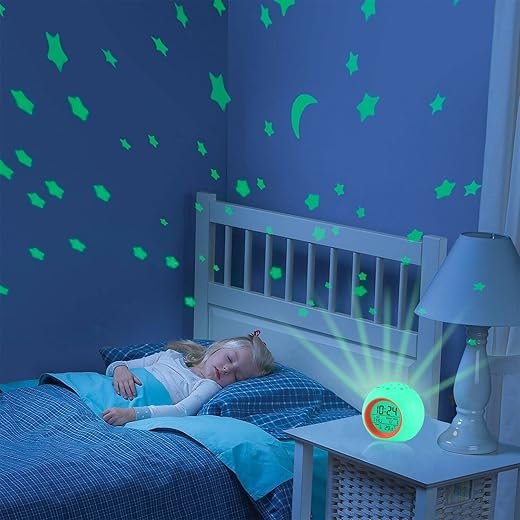
Child-friendly alarm clocks typically feature simple controls, visual cues for sleep/wake times (like colors or pictures), durable construction, and engaging but not overstimulating sounds or lights. Models that teach time concepts help develop independence in morning routines.
Are there alarm clocks designed for people with hearing impairments?
Yes, specialized alarm clocks for hearing impairments use powerful bed shakers that vibrate the mattress, bright flashing lights, and extra-low frequency sounds that remain perceptible with many types of hearing loss. These multi-sensory devices ensure reliable waking without depending on standard hearing.
How accurate are atomic alarm clocks compared to standard ones?
Atomic alarm clocks synchronize with radio signals from atomic clocks, maintaining accuracy within 1 second per million years. Standard digital clocks typically drift 1-2 minutes monthly, while analog clocks may vary by 5-15 seconds daily depending on quality and environmental conditions.
Can alarm clocks integrate with smart home systems?
Many newer alarm clocks integrate with smart home systems via Wi-Fi or Bluetooth, allowing them to trigger morning routines like adjusting thermostats, brewing coffee, or opening blinds. Compatible systems include Amazon Alexa, Google Home, and Apple HomeKit depending on the model.
What maintenance do alarm clocks require?
Regular maintenance includes replacing batteries annually (even in backup systems), cleaning displays and buttons monthly with microfiber cloths, and occasionally checking for firmware updates on smart models. Avoid liquid cleaners near electronic components to prevent damage.
How do travel alarm clocks differ from standard bedside models?
Travel alarm clocks feature compact folding designs, battery operation that doesn't require finding outlets, protective cases or covers, and simplified controls. Many include multiple time zone settings and higher volume options to overcome unfamiliar environmental noise.
What alarm clock features are best for those with vision impairments?
People with vision impairments benefit from talking alarm clocks that verbally announce the time and settings, tactile buttons with distinct shapes, large displays (2-4 inch digits), and high contrast colors. Models with voice control allow completely hands-free operation.
Is there a way to make traditional alarm clocks less jarring?
Replace harsh beeping with models offering nature sounds or music, select clocks with gradually increasing volume, use sunrise simulation to wake before the sound alarm activates, and implement the 2 by 3 rule with gentle pre-alarms preparing your body to wake.
How long do most alarm clocks last before needing replacement?
Quality alarm clocks typically last 5-10 years with proper care. Simple analog models often exceed 10 years, while feature-rich digital and smart clocks usually need replacement after 3-7 years due to battery degradation or outdated technology components.
What are the environmental impacts of different types of alarm clocks?
Analog alarm clocks have the lowest environmental impact with minimal electronic components and long lifespan. Digital clocks consume small amounts of electricity (1-3 watts), while smart devices use more power and contain more complex electronics requiring responsible recycling at end-of-life.